
Table of Contents
Key takeaways
Point Details
Fiber types matter Soluble and insoluble fibers have distinct physiological effects on digestion and metabolism.
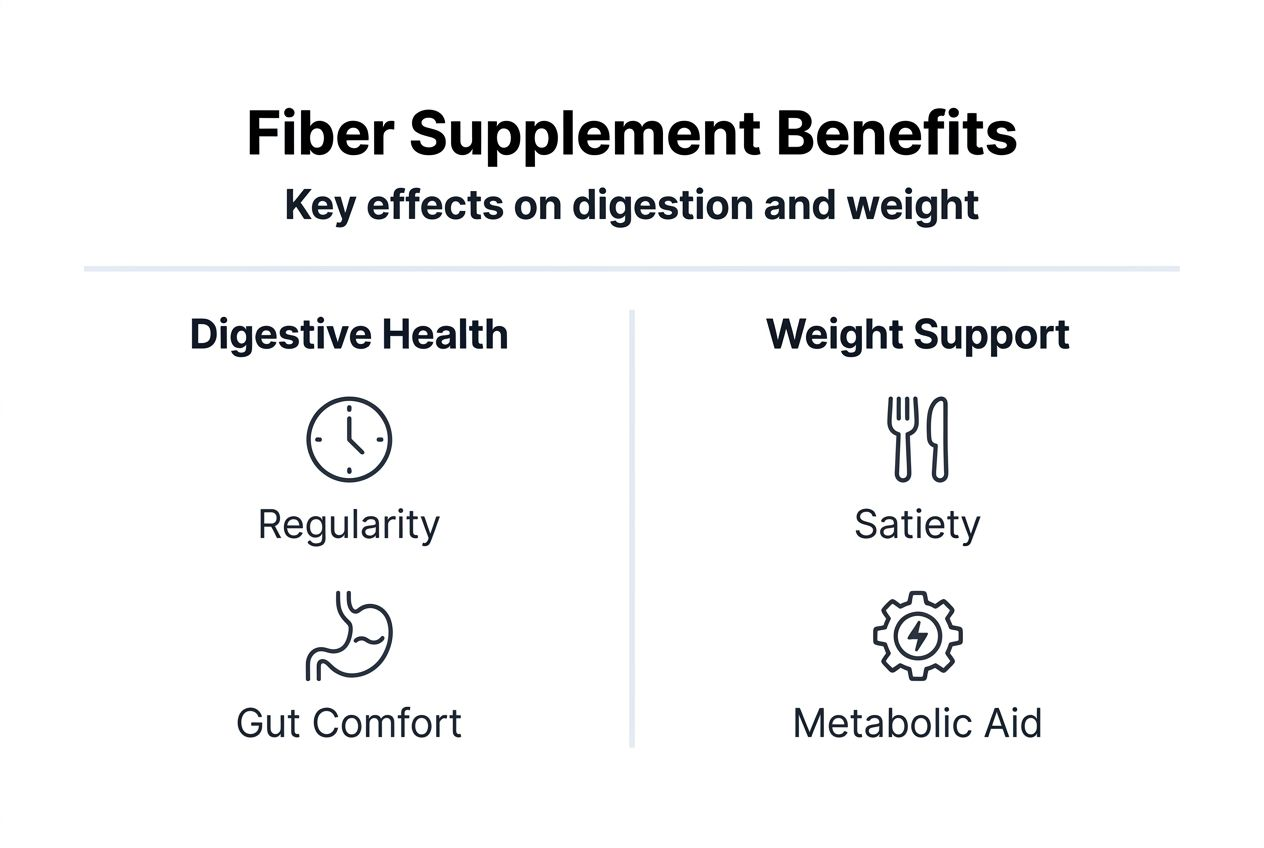
Digestive benefits Fiber supplements increase stool bulk and motility, improving bowel regularity and consistency.
Weight management support Soluble fibers enhance satiety and reduce calorie intake modestly when combined with healthy lifestyle habits.
Hydration is critical Inadequate water intake with fiber supplements can cause bloating and constipation instead of relief.
Supplements are complementary Fiber pills and powders should enhance, not replace, a diet rich in whole food fiber sources.
Introduction to fiber supplements and their importance
Dietary fiber refers to plant-based carbohydrates your body cannot digest, passing through the gastrointestinal tract largely intact. Unlike other nutrients, fiber provides no calories but delivers essential structural and metabolic benefits. Fiber supplements concentrate these compounds into convenient forms like powders, capsules, or gummies, making it easier to meet daily intake targets.
Two main fiber categories exist, each with unique properties. Soluble fiber dissolves in water to form a gel-like substance in your gut, slowing digestion and enhancing nutrient absorption. Common sources include psyllium husk, inulin, and glucomannan. Insoluble fiber, found in wheat bran and cellulose, does not dissolve in water. Instead, it adds bulk to stool and accelerates transit through your intestines, promoting regular bowel movements.
Most U.S. adults consume only 10 to 15 grams of fiber daily, falling significantly short of the recommended 25 to 38 grams depending on age and gender. This widespread deficiency stems from diets heavy in processed foods and low in whole grains, vegetables, and legumes. Fiber’s importance extends beyond digestion to include blood sugar regulation, cholesterol management, and weight control, making supplementation a practical solution for those struggling to meet targets through diet alone.
Key reasons supplementation matters include:
-
Convenience for people with limited access to fiber-rich whole foods
-
Targeted support for specific conditions like chronic constipation or metabolic syndrome
-
Ability to customize fiber type and dose based on individual tolerance and goals
-
Practical option during travel or busy periods when dietary fiber intake drops
How fiber supplements improve digestive health
Insoluble fiber supplements work by absorbing water as they move through your digestive tract, creating softer and bulkier stools. This increased mass stimulates the intestinal walls, triggering stronger contractions that push waste through more efficiently. The result is more frequent bowel movements and reduced transit time, which helps prevent the discomfort of chronic constipation.
Clinical studies consistently demonstrate these benefits. Research shows that fiber supplementation improves bowel habits when total daily intake reaches 25 to 30 grams, including both diet and supplements. Participants report softer stools, easier passage, and reduced straining. These improvements often appear within one to two weeks of starting supplementation, though optimal effects may take up to a month.
Beyond mechanics, soluble fiber feeds beneficial gut bacteria, acting as a prebiotic. Your microbiome ferments these fibers, producing short-chain fatty acids like butyrate that nourish colon cells and reduce inflammation. A balanced microbiota improves nutrient absorption, strengthens the gut barrier, and supports immune function. This symbiotic relationship explains why fiber intake correlates with lower rates of inflammatory bowel conditions.
Practical considerations for digestive health:
-
Start with 5 to 10 grams daily and increase gradually over two weeks
-
Pair supplements with at least 8 cups of water daily to prevent discomfort
-
Choose insoluble fibers for constipation and soluble fibers for diarrhea management
-
Monitor stool consistency using the Bristol Stool Chart to gauge effectiveness
Fiber Type Primary Benefit Common Sources Best For
Insoluble Stool bulk and motility Wheat bran, cellulose Constipation relief
Soluble Satiety and microbiome support Psyllium, inulin Weight management, gut health
Prebiotic Microbiota nourishment Inulin, FOS Digestive balance, immunity
Pro Tip: If you experience gas or bloating when starting supplements, split your daily dose into smaller amounts taken throughout the day rather than all at once.
Exploring targeted options like fiber supplements for digestion can help you identify products formulated specifically for bowel regularity and gut comfort.
Role of fiber supplements in weight management
Soluble fiber’s gel-forming property slows gastric emptying, the rate at which food leaves your stomach. This延長satiety, reducing hunger between meals and making it easier to maintain a calorie deficit. Studies indicate that participants consuming soluble fiber supplements report feeling fuller longer and naturally eat 10 to 15 percent fewer calories at subsequent meals compared to those taking placebos.
Beyond appetite control, soluble fiber benefits for satiety extend to metabolic improvements. Fiber modulates blood glucose spikes after meals, preventing the sharp insulin response that triggers fat storage. Some fibers also bind to dietary fats in the intestines, reducing overall calorie and cholesterol absorption. These combined effects support gradual, sustainable weight loss when integrated into a balanced lifestyle.

Realistic expectations matter. Fiber supplements alone will not cause rapid weight loss or replace the need for healthy eating and physical activity. Most research shows a modest reduction of 1 to 2 pounds monthly from supplementation, effective only when combined with portion control and regular exercise. Viewing fiber as one tool in a comprehensive strategy prevents disappointment and promotes long-term adherence.
Practical integration tips:
-
Take soluble fiber supplements 30 minutes before meals to maximize satiety effects
-
Combine with protein-rich foods to further enhance fullness and preserve muscle mass
-
Track hunger levels and meal timing to identify optimal dosing patterns
-
Maintain a food diary to ensure supplements complement, not replace, nutrient-dense whole foods
Pro Tip: Pair fiber supplementation with consistent hydration throughout the day, not just at the time of taking your supplement, to support both digestive comfort and appetite regulation.
For those pursuing fitness alongside weight goals, exploring fiber supplements and fitness or related supplement advice can provide complementary strategies.
Common misconceptions about fiber supplements
Many consumers wrongly believe that all fiber supplements provide the same health benefits, but soluble and insoluble fibers have distinct physiological effects. Soluble fiber excels at satiety and cholesterol reduction, while insoluble fiber targets bowel regularity. Choosing the wrong type for your goal leads to frustration and suboptimal results. Reading labels carefully and matching fiber type to your primary health concern is essential.
Another pervasive myth suggests fiber supplements cause rapid weight loss. While they support modest calorie reduction through increased fullness, supplements cannot override poor dietary choices or a sedentary lifestyle. Expecting dramatic results within days or weeks sets unrealistic expectations. True weight management requires sustained habits, with fiber serving as a helpful but not miraculous component.
The importance of hydration often goes underestimated. Fiber absorbs significant water to function properly. Taking supplements without adequate fluid intake causes the fiber to harden in your intestines, worsening constipation rather than relieving it. This side effect leads some people to abandon supplementation prematurely, blaming the fiber when dehydration was the actual culprit. Drinking at least 8 to 10 cups of water daily prevents this issue.
Finally, fiber supplements should never replace whole food fiber sources. Fruits, vegetables, legumes, and whole grains provide vitamins, minerals, antioxidants, and phytochemicals that supplements lack. These compounds work synergistically with fiber to promote health. Supplements fill gaps and provide convenience but cannot replicate the nutritional complexity of a well-rounded diet. Viewing them as complementary ensures you receive comprehensive benefits.
Key misconceptions summarized:
-
Not all fibers deliver identical benefits; type matters significantly
-
Supplements support but do not independently drive substantial weight loss
-
Hydration is non-negotiable for safe and effective fiber supplementation
-
Whole foods remain irreplaceable despite supplement convenience
Safety considerations and guidelines for use
Starting fiber supplementation requires a gradual approach to allow your digestive system to adapt. Begin with 5 grams daily for the first week, then increase by 5 grams weekly until you reach your target dose, typically 10 to 15 grams from supplements plus dietary intake totaling 25 to 30 grams. This titration minimizes side effects like gas, cramping, and bloating that often occur when fiber intake jumps abruptly.
Fluid intake directly impacts supplement safety and efficacy. Aim for at least 8 cups of water daily, increasing to 10 or more if you exercise heavily or live in a hot climate. Spread water consumption throughout the day rather than chugging large amounts at once. This steady hydration keeps fiber moving smoothly through your intestines and prevents the hardening that causes discomfort.
Common side effects include temporary gas, bloating, and mild cramping as your gut microbiome adjusts to increased fermentation. Managing fiber supplement side effects involves gradual titration and adequate hydration, with most issues resolving within two to three weeks. If symptoms persist beyond a month or worsen, reduce your dose or try a different fiber type. Some people tolerate soluble fibers better than insoluble varieties, or vice versa.
Certain conditions require medical consultation before starting supplements:
-
Intestinal strictures or obstructions that narrow the digestive tract
-
Swallowing difficulties that increase choking risk with powder or capsule forms
-
Chronic conditions like Crohn’s disease or ulcerative colitis requiring specialized management
-
Medications that fiber may interfere with, including some diabetes drugs and blood thinners
-
History of severe allergic reactions to plant-based compounds
If you take prescription medications, separate fiber supplement timing by at least two hours to prevent absorption interference. Monitor your response closely and report persistent digestive changes to your healthcare provider.
Additional health benefits of fiber supplements
Psyllium fiber demonstrates significant cardiovascular benefits by binding to bile acids in your intestines, forcing your liver to use cholesterol to produce more bile. This process lowers LDL cholesterol levels by 5 to 10 percent when taken consistently at 7 to 10 grams daily. Over time, this reduction translates to decreased cardiovascular disease risk, particularly valuable for individuals with elevated cholesterol unable to tolerate statin medications.
Prebiotic fibers like inulin enhance mineral absorption, particularly calcium and magnesium, by creating an acidic environment in the colon that increases solubility. Research shows that inulin supplements improve bone health markers by enhancing calcium absorption and supporting bone density, especially beneficial for postmenopausal women and older adults at higher osteoporosis risk. These effects complement traditional bone-strengthening strategies like vitamin D and weight-bearing exercise.
Emerging research suggests fiber supplementation may reduce systemic inflammation. The short-chain fatty acids produced during fiber fermentation modulate immune cell activity and decrease inflammatory markers like C-reactive protein. While studies remain preliminary, this anti-inflammatory effect potentially contributes to reduced chronic disease risk across multiple systems.
“The fermentation of prebiotic fibers produces metabolites that not only nourish colon cells but also exert systemic anti-inflammatory effects, highlighting fiber’s role beyond digestive health.”
These broader health impacts reinforce fiber’s value as a foundational supplement supporting multiple aspects of wellness simultaneously.
Practical recommendations for choosing and using fiber supplements
Selecting the right fiber supplement requires matching fiber type to your primary health goal. For constipation relief, prioritize insoluble fibers like wheat bran or methylcellulose that add bulk and accelerate transit. If weight management is your focus, choose soluble fibers such as glucomannan or psyllium that enhance satiety and slow digestion. For comprehensive gut health and microbiome support, prebiotic fibers like inulin or fructooligosaccharides feed beneficial bacteria most effectively.
Evaluate product quality by checking for third-party testing certifications like USP or NSF, which verify ingredient purity and accurate labeling. Avoid supplements with excessive added sugars, artificial flavors, or unnecessary fillers that dilute fiber content. Powder forms typically offer better value and flexibility for dose adjustment compared to capsules, though capsules provide superior convenience for travel or busy schedules.
Health Goal Recommended Fiber Type Typical Daily Dose Example Products
Constipation relief Insoluble (wheat bran, cellulose) 10-15 grams Methylcellulose supplements
Weight management Soluble (glucomannan, psyllium) 5-10 grams Psyllium husk powder
Gut microbiome support Prebiotic (inulin, FOS) 5-10 grams Inulin powder
Cholesterol reduction Soluble (psyllium) 7-10 grams Psyllium fiber capsules
Implement a structured titration plan:
-
Week 1: Start with 5 grams daily, taken with breakfast and 8 ounces of water
-
Week 2: Increase to 10 grams, splitting dose between breakfast and dinner
-
Week 3: Reach target dose of 10 to 15 grams based on tolerance and goals
-
Ongoing: Monitor stool consistency, energy levels, and appetite to assess effectiveness
Pro Tip: Keep a simple log tracking your fiber dose, water intake, and digestive symptoms for the first month to identify patterns and optimize your regimen quickly.
Combine supplementation with a fiber-rich diet emphasizing vegetables, fruits, whole grains, and legumes. This dual approach provides diverse fiber types and accompanying nutrients that supplements alone cannot deliver. Aim for at least half your fiber from whole foods, using supplements strategically to bridge gaps on busy days or when traveling.
For personalized guidance on choosing fiber supplements aligned with your specific health objectives, explore detailed product comparisons and user reviews.
Explore top fiber supplements to support your health goals
You now understand how different fiber types impact digestion, satiety, and overall wellness. Translating this knowledge into action means selecting supplements backed by evidence and tailored to your needs. Our platform curates comprehensive reviews of leading fiber supplement options designed specifically for digestive health and metabolic support.
Whether you’re addressing chronic constipation, enhancing weight management efforts, or supporting cardiovascular health, our rankings help you compare ingredients, dosing, and user experiences. We analyze products across multiple criteria, including fiber type, bioavailability, third-party testing, and cost-effectiveness. Beyond fiber alone, explore our weight management supplements section for integrated strategies combining multiple evidence-based approaches.
FAQ
What are the best types of fiber supplements for constipation?
Insoluble fibers like wheat bran and methylcellulose increase stool bulk and speed intestinal transit most effectively for constipation relief. Combining them with moderate amounts of soluble fiber can balance effects, providing both bulk and moisture retention. Start with 10 to 15 grams of insoluble fiber daily, gradually increasing if needed.
Can fiber supplements help me lose weight quickly?
Fiber supplements support modest weight loss by enhancing satiety and reducing calorie intake at meals, but they are not rapid weight loss solutions. Expect gradual progress of 1 to 2 pounds monthly when combined with a calorie-controlled diet and regular physical activity. They work best as one component of comprehensive lifestyle changes.
How should I take fiber supplements to avoid side effects?
Begin with a low dose of 5 grams daily and increase gradually over two to three weeks to allow digestive adaptation. Drink at least 8 to 10 cups of water throughout the day to keep fiber moving smoothly through your intestines. Splitting your daily dose into smaller amounts taken with different meals often reduces gas and bloating.
Are fiber supplements safe for everyone?
Fiber supplements are generally safe when dosed appropriately and taken with adequate fluids, but certain conditions require caution. Consult your doctor before starting if you have intestinal strictures, swallowing difficulties, inflammatory bowel disease, or take medications that may interact with fiber. Most healthy adults tolerate supplements well with proper hydration and gradual introduction.